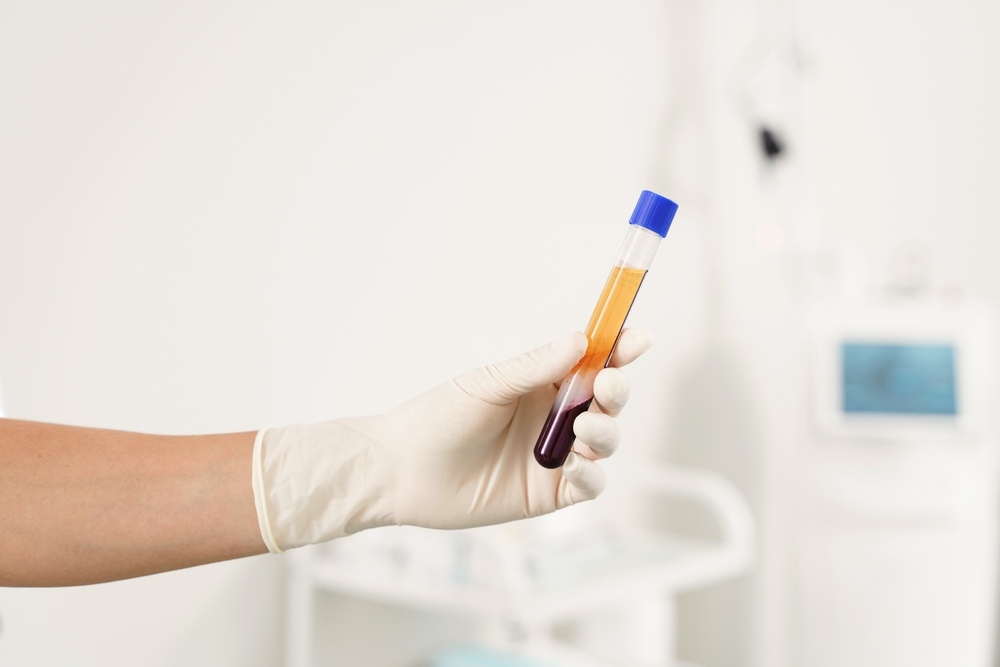
Category: Platelet-Rich Plasma (PRP)

Platelet-rich plasma therapy is a form of regenerative medicine that harnesses and amplifies the natural growth factors found in our blood cells to help heal damaged tissue.

  • PRP and A2M Treatments for Arthritis in Durango, CO

    PRP and A2M Treatments for Arthritis in Durango, CO

    Key Takeaways

    • Innovative Treatments: PRP and A2M therapies offer promising alternatives for managing arthritis pain effectively.
    • Customized Care: Elevated Medicine focuses on individualized treatment plans tailored specifically to each patient’s needs.
    • Synergistic Approach: Combining PRP therapy with acoustic shockwave treatments may enhance results and prolong relief.
    • Duration of Effects: Most patients experience benefits that last approximately one year following treatment.
    • Aftercare Matters: Proper aftercare following treatment includes avoiding icing, NSAIDs, and strenuous activities for optimal healing.

    prp and a2m treatments for arthritis treatment near durango co

    Arthritis is more than just a word you might hear in passing; it’s a reality for millions of people struggling with joint pain and inflammation daily. The constant discomfort can significantly affect your quality of life, from limiting your ability to perform simple tasks to making it difficult to enjoy your favorite activities. Thankfully, innovative treatments like Platelet-Rich Plasma (PRP) and Alpha-2-Macroglobulin (A2M) therapy are becoming more accessible to those seeking effective solutions for arthritis pain.

    At Elevated Medicine in Durango, Colorado, we’re dedicated to helping you reclaim your life from arthritis through advanced therapies that promote healing and alleviate pain.

    Understanding Arthritis

    Arthritis refers to inflammation of the joints, which can cause pain, stiffness, and swelling. There are over 100 different types of arthritis, with osteoarthritis and rheumatoid arthritis being the most common. According to recent statistics, approximately 54 million adults in the United States have been diagnosed with arthritis, and in Colorado alone, over 1.2 million residents are affected by this condition.

    Living with arthritis can feel like an uphill battle. The symptoms often make it challenging to participate in activities you once enjoyed, leading to frustration and even isolation.

    Traditional Treatment Options for Arthritis

    Most individuals with arthritis start their treatment journey with conventional methods like medications, physical therapy, or surgery. While these options can provide temporary relief, many patients find themselves struggling with side effects or insufficient results over time. The pursuit of lasting relief often leads people to explore alternative treatments.

    Introduction to PRP Therapy

    PRP therapy has gained attention in recent years as a promising alternative for those seeking relief from arthritis pain. This therapy involves taking a sample of your blood, processing it to concentrate the platelets—which are rich in growth factors—and injecting it into the affected joints. The goal? To harness your body’s own healing mechanisms to promote tissue regeneration and reduce inflammation.

    Clinical studies support the effectiveness of PRP for various types of arthritis, showing significant improvements in pain and function for many patients.

    Introduction to A2M Therapy
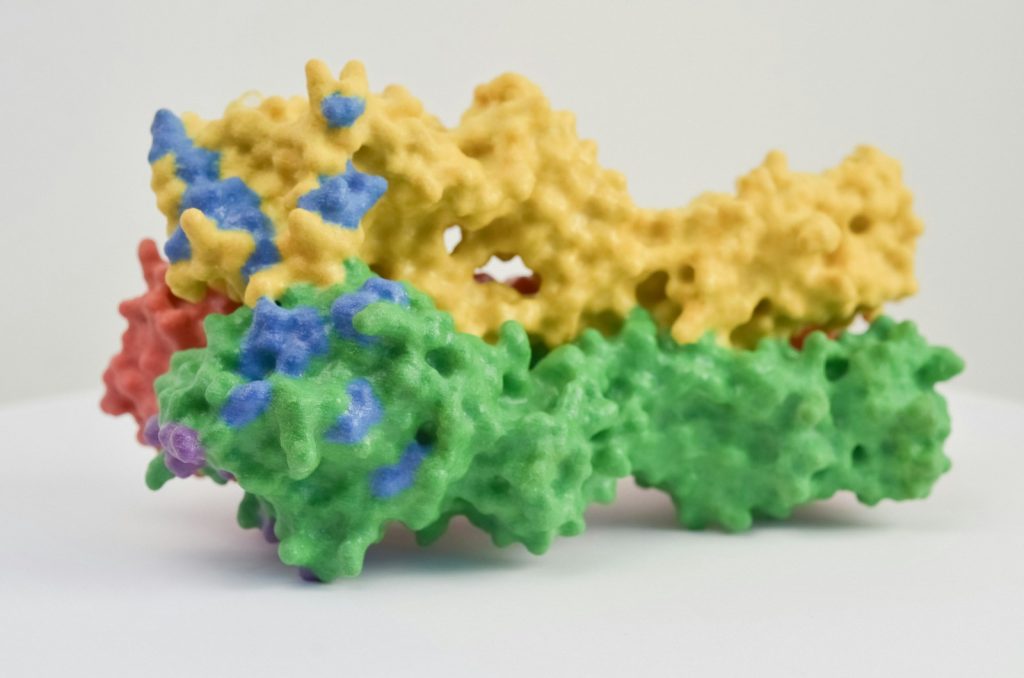
    artistic representation of an alpha-2-macroglobulin molecule
    artistic representation of an alpha-2-macroglobulin molecule

    A2M therapy takes a different approach by utilizing a naturally occurring protein that inhibits cartilage degeneration and reduces inflammation. When injected into affected joints, A2M binds with enzymes responsible for breaking down cartilage and slows down the degenerative process. This innovative treatment offers another avenue for individuals looking to manage their arthritis symptoms effectively.

    Emerging research indicates that A2M therapy is beneficial for patients suffering from both osteoarthritis and rheumatoid arthritis.

    Combining PRP and A2M for Optimal Outcomes

    At Elevated Medicine, we often combine PRP therapy with acoustic shockwave treatments. This synergistic approach enhances results and maximizes effectiveness. By addressing the pain through multiple channels, patients may experience improved outcomes that last longer than traditional treatments alone.

    While treatment results vary from individual to individual based on numerous factors—including severity of the condition—most of our patients report that the benefits last approximately one year.

    Why Choose Elevated Medicine in Durango?

    Elevated Medicine stands out as a beacon of hope in Durango when it comes to alternative arthritis treatments. Our team is committed to providing quality care tailored specifically to your needs. We understand that every patient’s journey is unique; that’s why we focus on developing customized treatment plans that can adapt as you progress.

    Our facility prides itself on creating a warm environment where patients feel comfortable discussing their concerns and exploring new treatment options.

    The Treatment Process at Elevated Medicine

    When you come to Elevated Medicine for PRP or A2M therapy, here’s what you can expect:

    1. Consultation: You’ll begin with a thorough assessment where we will discuss your medical history and current symptoms.
    2. Testing: If needed, we may perform diagnostic tests to determine the best course of action.
    3. Treatment: Our trained professionals will conduct the PRP or A2M procedure with care.
    4. Aftercare: It’s crucial to follow our aftercare guidelines after treatment:
      • Do not ice the treated area; we recommend avoiding icing as it may impede healing.
      • Avoid NSAIDs (non-steroidal anti-inflammatory drugs), though Tylenol can be taken if necessary.
      • Refrain from strenuous activities for a few days up to four weeks following the procedure.

    This structured approach helps ensure a smooth recovery process so you can get back to doing what you love sooner!

    FAQs about PRP and A2M Treatments for Arthritis

    1. What conditions can be treated with PRP and A2M?
      • Both therapies are effective for osteoarthritis, rheumatoid arthritis, and other joint-related issues.
    2. How long do the effects of these treatments last?
      • While duration varies per individual, most patients enjoy effects lasting about one year.
    3. Are there any risks or side effects associated with these therapies?
      • Both treatments are generally safe; however, some mild swelling or discomfort at the injection site may occur.
    4. How many sessions will I need to see results?
      • Typically, one session may be sufficient; however, some patients opt for follow-up treatments depending on their response.
    5. Is there a recovery period after receiving PRP or A2M treatments?
      • Patients are usually able to return home shortly after treatment but should avoid strenuous activity during recovery.

    What Can I Do Now

    If you’re living with arthritis in Durango and frustrated by traditional treatments that haven’t brought relief, consider exploring PRP and A2M therapies at Elevated Medicine. With our commitment to innovative care and personalized treatment plans designed just for you, we’re here to help restore your quality of life.

    Curious about pricing? Visit our pricing page for more details on affordable options that could transform your journey toward relief from arthritis pain.

    Take control of your health today—contact us at Elevated Medicine! Your path toward living life free from arthritis pain starts here!
  • Exploring Platelet Rich Plasma and Bone Marrow Concentrate Treatments

    Exploring Platelet Rich Plasma and Bone Marrow Concentrate Treatments

    Have you heard of platelet rich plasma (PRP) and bone marrow concentrate (BMC) treatments? They are becoming increasingly popular for the treatment of orthopedic injuries. In this article, we will discuss what these treatments are, how they improve healing, and whether or not they can help with your orthopedic injury. #prp 

    What is Platelet Rich Plasma?  

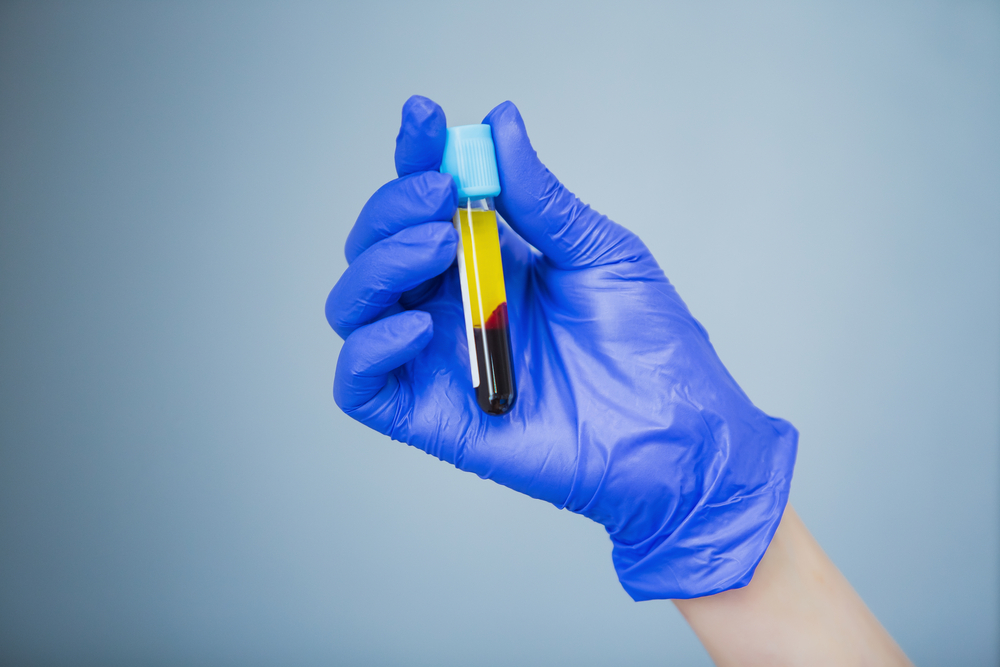
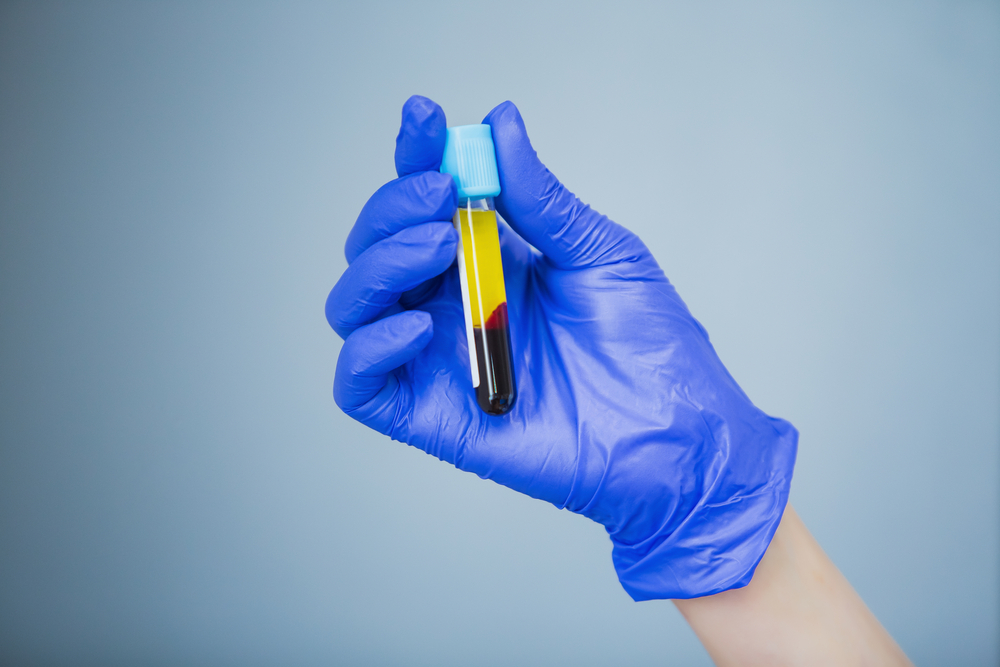
    Platelet Rich Plasma (PRP) is a type of therapy that involves extracting a small volume of red blood cells, which are then concentrated in a centrifuge to separate the red blood cells, platelets, and plasma. Depending on the type and location of injury, certain components such as leukocytes (immune cells) may be removed or kept. Once the concentrated mixture is separated (often referred to as “liquid gold”), it’s precisely injected or transplanted into the site of injury. The concentrated platelets found in PRP contain growth factors that help to promote healing and tissue regeneration. PRP injections can be used to treat a variety of orthopedic injuries, including tendonitis, muscle strains, ligament tears, joint pain and arthritis.  

    How Does PRP Improve Healing?  

    When injected into an injured area, PRP helps to reduce inflammation while modifying the production of collagen fibers in the affected area. This helps to speed up the recovery process by decreasing pain and improving mobility faster than most traditional treatments alone. In turn, the goal is to improve your quality of life by getting you back to the activities you enjoy the most. Likewise, results often last longer compared to corticosteroid injections without compromising the musculoskeletal tissue.  

    What is Bone Marrow Concentrate?  

    Bone marrow concentrate (BMC) is a type of therapy similar to PRP in that it also uses a patient’s own cells as part of the treatment process. In BMC treatments, however, the cells come from bone marrow rather than blood plasma. Unlike PRP injections which only use platelets, BMC injections contain both platelets as well as stem cells which can help with tissue regeneration and healing.  

    How Does BMC Improve Healing?  

    Like PRP injections, BMC injections have been shown to reduce inflammation while speeding up recovery times due to its ability to stimulate healthy tissue response in damaged areas. It also has the added benefit of scar reduction due to its ability to promote healthy cell development when injected into an injured area. Additionally, BMC has been shown to be more effective at improving outcomes in certain injuries when compared with other traditional therapies. 

    Will These Treatments Help With Your Orthopedic Injury? 

    Platelet Rich Plasma (PRP) and Bone Marrow Concentrate (BMC) treatments offer many potential benefits for those suffering from orthopedic injuries such as tendonitis, muscle strains, partial ligament tears/sprains or mild to moderate arthritis. Both types of treatments have been proven effective at reducing inflammation while promoting healing and restoring mobility faster than traditional treatments alone. If you are considering these types of treatments for your orthopedic injury it is important that you speak with your doctor first so they can evaluate your specific situation before recommending an appropriate course of treatment for you. Please keep in mind that there is no current treatment modality in medicine that is 100% successful in every patient. Some individuals require 2-3 injections before noticing significant improvement. Additionally, your overall health and lifestyle will impact the quality of platelets and cells extracted. We are happy to discuss the best treatment options for you. 

    What You Need to Know About PRP Quality and Underlying Medical Conditions, Medications, and Lifestyle Factors  

    Platelet-rich plasma (PRP) therapy is a regenerative medical treatment that has been used for many years to treat various chronic pain conditions. It is based on the idea of using the body’s own natural healing powers to assist in repair of damaged tissue and reduce inflammation. In recent years, PRP has become increasingly popular as an alternative treatment option for many common medical conditions. In this article, we will discuss some of the medical conditions that can impact the effectiveness of PRP treatments, as well as which patients respond best to this type of therapy.  

    Medical Conditions That Impact PRP Outcomes:  

    The current physiological status of the patient, or how efficiently the machine (or human body) is functioning, is a key consideration when evaluating the effectiveness of the treatment. Certain medical conditions can make it difficult for the body to absorb platelet-rich plasma or make it hard for the body to produce enough platelets. For example, people with chronic conditions such as poorly controlled diabetes, peripheral vascular disease, uncontrolled hypertension (high blood pressure), or heart failure may not be able to respond as effectively to PRP treatments since their bodies are already impacted with diminished circulation and reduced platelet quality. Additionally, people with autoimmune disorders such as lupus or rheumatoid arthritis may be unable to produce enough platelets for successful PRP treatments. Finally, certain medications can decrease platelet production and/or function. A few examples include NSAID’s, selective serotonin reuptake inhibitors (SSRI’s), antihistamines, antibiotics, and tricyclic antidepressants. 

    Diet and Lifestyle Factors That Impact PRP Outcomes: 

    Nutrition plays a large role in the quality of platelets your body produces. Diets high in processed foods, sugar, simple carbohydrates, and omega 6 fatty acids (found in industry seed oils) can impact platelet activation, production, and aggregation. All of these factors are important in the overall quality of PRP and in turn, your natural healing response. Additionally, excessive alcohol consumption and tobacco use can reduce the platelets response to thrombin and collagen, making them less effective. Lastly, physical and mental stress induces a spike in hormones such as adrenalin, noradrenaline, and serotonin, which impacts the platelets sensitivity to thrombin, factor release, and aggregation. High intensity exercise prior to your procedure can induce physical stress and potentially impact your treatment.  

    Patients Who Respond Best To PRP Treatments:  

    Similarly to invasive surgical outcomes, individuals who strive to live a healthy lifestyle by incorporating routine exercise, a well-rounded diet low in processed foods, and adequate sleep will respond best. However, our patients with multiple underlying medical problems are at higher risk for surgical complications and oftentimes minimally invasive procedures can provide pain relief and improved functionality. Utilizing precision medicine, we strive to optimize all modifiable factors prior to treatment for optimal results. 

    In conclusion, there are several medical conditions, medications, and lifestyle factors that can affect how effective a patient’s response is when undergoing a course of platelet-rich plasma (PRP) therapy. Despite all this, there are still many patients who respond very positively when undergoing courses of treatment involving PRP therapy; those suffering from chronic pain conditions such as tendinitis or bursitis often see great improvement in their symptoms after undergoing one or multiple rounds of treatment while athletes can use it help improve performance during competitions as well as reducing inflammation afterward. When considering PRP, we would highly suggest seeking out physicians who understand the relationship between platelets and other medical/lifestyle factors to ensure the best possible outcome. 

    Kuffler DP. Variables affecting the potential efficacy of PRP in providing chronic pain relief. J Pain Res. 2018 Dec 21;12:109-116. 

    Barkin RL, Fawcett J. The management challenges of chronic pain: the role of antidepressants. Am J Ther. 2000;7(1):31–47. 

    George JN. Platelets. Lancet. 2000;355(9214):1531–1539. 

    Ahmed Y, van Iddekinge B, Paul C, Sullivan HF, Elder MG. Retrospective analysis of platelet numbers and volumes in normal pregnancy and in pre-eclampsia. Br J Obstet Gynaecol. 1993;100(3):216–220. 

    Mukamal KJ, Massaro JM, Ault KA, et al. Alcohol consumption and platelet activation and aggregation among women and men: the Framingham Offspring Study. Alcohol Clin Exp Res. 2005;29(10):1906–1912. 

    Belch JJ, McArdle BM, Burns P, Lowe GD, Forbes CD. The effects of acute smoking on platelet behavior, fibrinolysis and haemorheology in habitual smokers. Thromb Haemost. 1984;51(1):006–008. 

    Warkentin TE, Kelton JG. Temporal aspects of heparin-induced thrombocytopenia. N Engl J Med. 2001;344(17):1286–1292.  

    de Lorgeril M, Renaud S, Mamelle N, Salen P, et al. Mediterranean alpha-linolenic acid-rich diet in secondary prevention of coronary heart disease. Lancet. 1994;343(8911):1454–1459.  

    Sudic D, Razmara M, Forslund M, Ji Q, Hjemdahl P, Li N. High glucose levels enhance platelet activation: involvement of multiple mechanisms. Br J Haematol. 2006;133(3):315–322. 

  • The Therapeutic Potential of Platelets – Let’s Nerd Out

    The Therapeutic Potential of Platelets – Let’s Nerd Out

    Nurse,Holding,Vacutainer,With,A,Platelet-rich,Plasma,And,Blood,For

    Platelets can be thought of as the first responders or ambulances of your body, carrying paramedics and EMT’s to the site of injury. They help to form the clotting system that is essential for our body’s natural healing process. However, platelets are more than just a clotting factor – they also contain bioactive molecules and contain various proteins that can be used therapeutically. In this article, we will discuss platelet rich plasma (PRP), how it is activated and its therapeutic potential.  

    What are Platelets? 

    Platelets are produced by cells called megakaryocytes that live in the bone marrow. They have a lifespan of 7-10 days in the bloodstream. They carry receptors on their plasma membrane (outer coating) that allow them to perform their wide variety of functions. These receptors bind to von Willebrand Factor (VWF) and collagen when there is injury to the endothelium (single layer of cells lining the entire surface of the cardiovascular and lymph circulations). When the platelet interacts with the site of injury, they change shape and can bind to other platelets, tissue, and fibrinogen (found in inflamed joint tissue). This is part of platelet activation and aggregation. Once platelets are activated, they release the powerful contents held within, that have regenerative capabilities.  

    The contents inside the platelets include granules, or little packets of active bioactive molecules important in tissue repair. These molecules include growth factors, exosomes, antimicrobial substances, adhesive proteins, among many others. Each of these have unique roles in promoting blood vessel formation, cellular proliferation, and recruitment of other cells to assist in repair. The exosomes in particular are tiny little packages, or vesicles that are critical in cell communication and reduction of inflammation.  

    Some other important growth factors include:  

    -TGF-B: aids in differentiation of mesenchymal stem cells (MSC’s), which are multipoint stem cells important in making and repairing all skeletal tissue.  

    -PDGF: recruits multiple other cells types to injury site and is important in cartilage and meniscus repair 

    -VEGF: stimulates formation of blood vessels 

    -EGF: initiates cell growth and differentiation  

    -IGF-1 and HGF: responsible for stimulating cell growth 

    If you’ve made it this far, you’re probably thinking, “These little first responders are complex!”, and you’re absolutely correct. We have learned a significant amount about the importance of platelets in tissue and injury repair in the past few decades. With the increasing popularity of PRP, there are numerous ongoing trials and still a lot to discover. This is a very exciting and promising field of medicine that has provided significant improvement in certain patients’ lives.  

    Because these treatment modalities utilize your own body’s components, there are minimal risks associated, making it an excellent option for those looking for alternative treatments for their conditions without compromising safety or efficacy when compared with traditional therapies alone. If you’re interested in learning more about how PRP can benefit you, contact us today!  

    Machlus KR, Italiano JE Jr. The incredible journey: From megakaryocyte development to platelet formation. The Journal of Cell Biology. 2013;201(6):785-796. DOI: 10.1083/jcb.201304054 

    Gremmel T, Frelinger AL 3rd, Michelson AD. Platelet physiology. Seminars in Thrombosis and Hemostasis. 2016;42(3):191-204. DOI: 10.1055/s-0035-1564835 

    Padilla S, Sánchez M, Orive G, Anitua E. Human-based biological and biomimetic autologous therapies for musculoskeletal tissue regeneration. Trends in Biotechnology. 2017;35(3):192-202